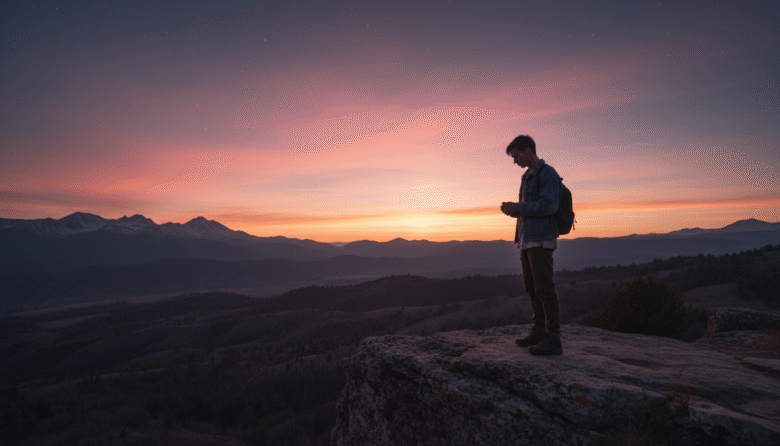
Many people dream of hitting the road. The idea of endless travel is intoxicating. It promises constant adventure and a life less ordinary. You imagine meeting colorful people and exploring the world on your own terms.
The reality of solo travel, however, often includes a surprising emotional toll. The very freedom that draws you in can become a source of deep challenge. The initial thrill of independence is powerful. But when the novelty fades, a sense of isolation can creep in.
This is a common experience for anyone managing loneliness as a solo nomad. It is not a sign of personal failure. It is a natural reaction to being far from your support system. You might be surrounded by people, yet feel a profound loneliness without shared experiences.
This article acknowledges that emotional cost. We will explore practical ways to navigate these feelings. The goal is not to avoid travel but to enrich your solo travel journey. You can transform isolation into meaningful connection and continue your adventure with resilience.
Key Takeaways
- Solo travel offers incredible freedom but can also lead to feelings of isolation.
- The romantic idea of nonstop adventure often differs from the daily reality on the road.
- Experiencing loneliness during travel is a common and natural response, not a personal failing.
- Everyone starts in a similar position when arriving in a new place without established connections.
- Understanding this emotional dimension is crucial for a sustainable and fulfilling travel lifestyle.
- This guide provides actionable strategies to build connection and manage challenging emotions.
Understanding the Emotional Challenges of Solo Travel
Freedom comes with an emotional price tag that many adventurers don’t anticipate when setting out. The initial thrill of independence often gives way to deeper feelings that require navigation.
Reality vs. Expectations on the Road
Media portrayals suggest constant adventure and instant connections. The daily reality of solo travel involves more quiet moments than anticipated.
You might arrive expecting locals to guide you and fellow travelers to share evenings. Instead, you find yourself alone in unfamiliar surroundings. This gap between expectation and experience is common.
Recognizing Loneliness Versus Aloneness
There’s a crucial difference between chosen solitude and unwanted isolation. Aloneness becomes loneliness when excitement fades and you crave meaningful interaction.
Many travelers recall difficult times in beautiful places. Crying on Parisian benches or in Roman restaurants doesn’t always stem from heartbreak. It often comes from being completely without support systems.
Understanding this emotional landscape is the first step toward building resilience. Recognizing these feelings helps you develop strategies for richer travel experiences.
Real-Life Lessons from the Road
Travel stories that resonate most deeply typically begin with a simple act of courage. The road teaches valuable lessons about human connection and personal growth.
Personal Anecdotes and Revelations
In Prague, a quiet evening turned transformative when fellow hostel guests initiated conversation. Their simple “hello” revealed that other travelers were equally seeking friendship.
This experience showed that fear often creates imaginary barriers. Many people on their journey feel the same desire for connection.
Overcoming the Fear of Initiating Conversations
One traveler in Spain nearly changed return tickets during difficult times. Pushing through discomfort led to unexpected friendships and extended the trip.
The key realization was that most people welcome interaction. A simple greeting can transform a lonely day into meaningful connection.
| Conversation Starter | Typical Response | Potential Outcome |
|---|---|---|
| “Hi, where are you traveling from?” | Shared origin stories | Common ground discovery |
| “Any recommendations for this area?” | Local tips exchange | Collaborative exploration |
| “Mind if I join you for coffee?” | Welcoming acceptance | Immediate companionship |
Practice makes initiating contact easier. Each positive experience builds confidence for future interactions during your travel adventure.
Tips for Managing Loneliness as Solo Nomad
The most rewarding travel experiences often stem from proactive approaches to meeting like-minded individuals. Instead of waiting for connections to happen, successful travelers create opportunities.
Actionable Social Strategies
Start with small interactions to build confidence. Talk to people in your dorm room or ask to join groups heading out for the evening.
Simple questions work well. Ask about local recommendations or share your travel stories. These conversations often lead to deeper connections.
Utilizing Meetups, Hostels, and Apps
Digital tools provide excellent ways to meet people. Platforms like Meetup.com help you find local groups around shared interests.
Hostels offer built-in social environments. Participate in communal activities or initiate games in common areas.
Social media groups and apps create additional opportunities. They help you connect with fellow travelers before arriving in new places.
| Platform Type | Best For | Connection Speed |
|---|---|---|
| Meetup.com | Interest-based groups | Immediate common ground |
| Hostel common areas | Spontaneous interactions | Quick social opportunities |
| Travel-specific apps | Targeted connections | Structured meetups |
These approaches provide multiple ways to combat loneliness. They transform solitary moments into chances for meaningful friendship.
Building Community on the Road
A sustainable nomadic lifestyle hinges on the deliberate creation of a supportive network. This involves choosing environments designed for connection.
Spaces like Selina and Outsite offer built-in community. They blend private living with shared areas where people naturally gather.
This way of living provides freedom without isolation. It is a key part of a balanced travel life.
Leveraging Co-Living Spaces and Local Groups
Co-working spaces also function as social hubs. They are excellent for meeting like-minded professionals and remote workers.
Digital platforms provide another layer of support. Nomad List and its Discord channel help you connect with other nomads before you even arrive in new cities.
Staying longer in one place allows for deeper bonds to form. This is crucial for developing real friendships.
Consider finding an accountability partner. This is a fellow traveler you check in with regularly for motivation and companionship.
| Community Resource | Primary Benefit | Ideal For |
|---|---|---|
| Co-Living Spaces (e.g., Selina) | Built-in social environment | Immediate connection upon arrival |
| Co-Working Spaces | Productivity and networking | Meeting professionals |
| Digital Platforms (e.g., Nomad List) | Pre-arrival networking | Building a global support network |
These resources help you build a robust community that moves with you. They turn unfamiliar places into homes.
Engaging with Local Cultures and Activities
True cultural immersion begins when you step beyond tourist attractions. Local activities provide the bridge between being a visitor and feeling at home in new places.
Participating in Classes, Clubs, and Local Events
Joining a yoga class or running club serves double duty. You boost mental health while meeting people who share your interests.
One cyclist found that locating cycling groups in new cities created instant community. This way of connecting made them feel part of the local scene rather than just passing through.
Structured learning environments offer excellent social opportunities. Cooking classes and language lessons are great things to try. Schools often organize activities that bring participants together naturally.
Start your exploration in larger cities where lifestyle similarities ease adjustment. Branch into countryside travel once you’re comfortable with the culture.
Visit local libraries for books, magazines, and interesting programs. Check tourist boards for event calendars. Taking a city tour on your first day helps you understand the lay of the land.
These approaches transform your daily experience in the world. You move from isolated observer to engaged participant in the community.
Tools and Techniques for Self-Connection
Building resilience on the road requires developing powerful internal resources. When external connections are scarce, your relationship with yourself becomes your anchor.
Journaling, Meditation, and Self-Care Practices
Carry a marble composition notebook for capturing your journey. Write during difficult moments to process experiences and emotions. This thing becomes a treasured record of your personal growth.
Rereading entries later maintains connection to your adventures. Save small unopened gifts from home to open during low periods. This creates feelings of being cared for when far from familiar faces.
Physical activities shift emotional states effectively. Do laundry vigorously or go for a hard run to clear your mind. Seek out decadent chocolate or pastries as simple pleasures.
Visit churches for short meditation sessions when you need quiet reflection. Book concert tickets to lose yourself in musical experiences. These activities transform alone time into healing solitude.
Treat yourself to facials or bubble baths using local pharmacy supplies. The key is perceiving isolation as an opportunity rather than a burden. Your journey becomes richer when you nurture this inner relationship.
Balancing Freedom and Connection Abroad
Seasoned adventurers understand that true freedom includes knowing when to connect. This balance defines a sustainable travel lifestyle.
Watch for warning signs when solitude becomes unhealthy. Anxiety about leaving your accommodation is a red flag. Using food for comfort during long work days abroad creates a dangerous cycle.
Support structures provide essential stability. Groups like those in Medellín offer regular check-ins with people who understand the journey. These friendships become anchors in unfamiliar places.
Avoid using romantic flings to escape empty feelings. Quick connections in new towns may feel intense but often increase disconnection. This pattern can drain your spirit over time.
Sometimes, embracing empty moments builds resilience. Confronting these feelings allows deeper exploration of the world. This skill separates beginners from experienced nomads.
| Aspect | Beginner Traveler Approach | Experienced Traveler Approach |
|---|---|---|
| Social Interaction | Either constant seeking or complete avoidance | Mindful balance based on current needs |
| Handling Solitude | Seeing it as problem to solve | Recognizing it as opportunity for growth |
| Support Systems | Reliance on temporary connections | Building lasting networks across locations |
The way you structure your journey evolves with experience. True independence means having skills to create the right mix for your well-being. This awareness transforms your adventure into a fulfilling life.
Conclusion
Every traveler eventually discovers that the road offers more companionship than solitude when you know where to look. The initial feelings of isolation are temporary and manageable with the right approach.
Maintaining strong ties with loved ones back home provides crucial emotional support. Schedule regular video calls with family members using your phone. Bring small photo books of friends and home to stay connected during your trip.
Always exchange contact information with people you meet along the way. Too many meaningful connections are lost because travelers hesitate to ask. Reaching out to others in public spaces often leads to new friendships.
What begins as challenging days in unfamiliar cities transforms into confident exploration. The skills you develop turn potential isolation into rich experiences. This journey adds depth to your life and creates lasting memories.