Finding a place that balances your budget with a great daily experience can be a challenge. Many look for a vibrant city that offers more than just low prices. It needs to provide a high quality of life.
This Spanish coastal gem has become a top choice for this very reason. It stands out as a compelling alternative to more expensive metropolitan areas. Residents enjoy a rich Mediterranean lifestyle without the steep costs.
This guide explores how to thrive here on a modest income. We will examine practical aspects like housing, daily expenses, and leisure. The goal is to show how a fulfilling living situation is achievable.
The city attracts a diverse crowd. Young professionals, remote workers, and retirees all find a home. They share a common priority: valuing life experience.
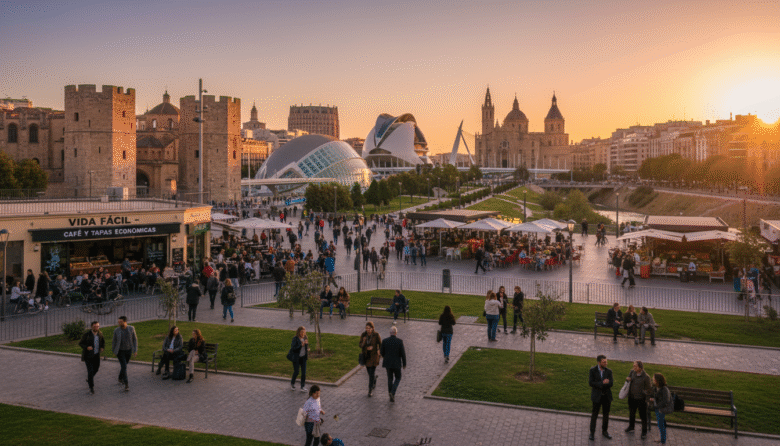
With over 300 sunny days a year and beautiful beaches, the environment is a major draw. A strong public transport network and deep cultural roots add to the appeal. These features create an enviable lifestyle accessible to many.
Key Takeaways
- Valencia offers a significantly lower cost of living compared to other major Spanish cities like Madrid and Barcelona.
- The city provides a high quality of life with access to beaches, culture, and sunshine year-round.
- A diverse population, including professionals and retirees, finds the city appealing for its balance of affordability and amenities.
- Practical budgeting for housing, groceries, and transportation is key to a comfortable life here.
- Understanding real monthly expenses empowers you to decide if Valencia fits your financial goals.
- This guide provides detailed, data-backed insights for different household types and budgets.
Introduction to Valencia’s Unique Appeal
Among European urban centers, one stands out for its remarkable ability to blend affordability with rich cultural experiences. This destination offers a compelling alternative to more expensive metropolitan areas.
Overview of Lifestyle and Culture
The local lifestyle embraces a relaxed Mediterranean pace. People prioritize social connections and outdoor activities over hectic work schedules.
Cultural richness shines through world-famous festivals and authentic cuisine. Neighborhoods like El Carmen showcase a thriving arts scene. These elements create countless opportunities for cultural immersion.
Why Expats Are Choosing Valencia
Expats are increasingly selecting this location over traditional destinations. The city delivers comparable quality life at substantially lower costs.
Housing costs run 15-35% cheaper than in other major Spanish cities. Restaurant meals and transportation also offer significant savings. This financial advantage makes the area particularly attractive.
The international community includes over 133,000 foreign-born residents. This creates a welcoming environment for newcomers. Various social groups and events help expats settle comfortably.
Young professionals and digital nomads find the balance ideal. They value experience over maximum earnings. The city’s compact, walkable design enhances daily lifestyle enjoyment.
Understanding the Cost of Living in Valencia
Accurate cost assessment empowers individuals to make informed decisions about relocation. Knowing what to expect financially helps create realistic budgets.
Rental Prices and Utility Costs
Housing represents the largest monthly expense. Current data shows average rental prices around €10.50 per square meter.
Utility costs remain reasonable. A typical apartment requires €90-140 monthly for electricity and gas. Water services add €25-35, while internet averages €30-45.
Groceries and Daily Essentials
Food shopping offers significant savings opportunities. Strategic store selection can reduce annual grocery costs by over €1,000.
Discount chains provide the best value for everyday items. Fresh local produce remains affordable throughout the year.
Understanding these core expenses provides a clear picture of the cost living valencia experience. Smart budgeting makes comfortable residency achievable.
Living in Valencia Spain on Modest Income
Achieving a comfortable lifestyle without financial strain is a primary goal for many residents. With a local median net income around €1,300-€1,900 monthly, smart planning is essential. This involves focusing on the largest categories of expenses.
Budget-Friendly Living Strategies
Your housing choice has the biggest impact on your budget. Experts suggest keeping rent below 35% of your take-home pay. Selecting an apartment just outside the trendiest districts offers substantial savings while maintaining access.
| Premium Area | Nearby Alternative | Estimated Monthly Rent Savings |
|---|---|---|
| Ruzafa | Benimaclet | €160-€240 |
| El Carmen | Patraix | €150-€220 |
| Ciutat de les Arts | Monteolivete | €180-€260 |
Food shopping is another area for smart savings. Choosing discount supermarkets like Lidl or Aldi over convenience chains can reduce grocery expenses by over €100 each month. Shopping for fresh produce at the central market in the afternoon also yields discounts.
Adopting local habits helps control utility costs. Simple actions like closing shutters during the hottest part of the day reduce air conditioning needs. Using the city’s extensive bike lanes for daily commutes can eliminate transportation costs entirely.
The 50/30/20 rule provides a solid framework. Allocate 50% of your income to needs, 30% to wants, and 20% to savings. This structure supports a high quality of life focused on experiences rather than material spending.
Balancing Quality of Life with Financial Control
The true value of a location is measured by the daily experiences it affords. This coastal city excels by offering a rich lifestyle that feels luxurious without demanding a high budget. The key lies in the accessibility of its finest amenities.
Mediterranean Climate and Leisure Activities
Over 300 sunny days each year create an environment for endless outdoor enjoyment. The climate encourages a healthy, active life. Beach visits, park strolls, and al fresco dining become regular parts of your routine.
Urban beaches like Malvarrosa offer free access to swimming and sunbathing. This eliminates the need for expensive private club memberships. A simple bike ride can bring you to the sand, making every day feel like a vacation.
Cultural Richness and Social Opportunities
The city’s cultural calendar is packed with free events. Major festivals and neighborhood parties provide vibrant social opportunities. People connect easily through these shared experiences.
An extensive expat community organizes countless low-cost meetups. Language exchanges and sports leagues help newcomers build a social circle quickly. This supportive network greatly enhances overall life satisfaction.
Affordable healthcare is another cornerstone of the high quality life. Both public and private options ensure well-being is never a financial burden. This security allows people to fully embrace the relaxed Mediterranean lifestyle.
Housing Options: Renting vs. Buying
Your housing choice represents one of the most significant financial commitments you’ll make as a resident. This decision depends on your intended stay duration, available capital, and long-term plans.
Cost Considerations for Renting
The rental market operates on two distinct tracks. Short-term tourist apartments command premium rates of €2,500-3,500 monthly. Long-term residential leases offer better value at €900-1,300 per month.
| Rental Type | Average Monthly Price | Contract Duration | Upfront Costs |
|---|---|---|---|
| Short-term Tourist | €2,500-€3,500 | 4 weeks | Full payment upfront |
| Long-term Residential | €900-€1,300 | 6-12 months | 2-month deposit + fees |
Prospective renters should budget for a two-month security deposit. Agency fees can add another month’s rent. These upfront costs often reach €3,000-4,500.
Insights on Property Buying and Long-Term Investment
Average property prices stand at €1,362 per square meter. A typical 75m² apartment costs approximately €102,150. Premium districts command higher prices than peripheral areas.
Buying makes sense for multi-year commitments. Additional costs include taxes, legal fees, and mortgage arrangements. The market has appreciated recently but remains balanced compared to other major cities.
Many newcomers initially rent for 6-12 months. This allows time to understand neighborhoods before making a permanent home purchase decision.
Exploring Transportation and Daily Commute
Navigating a new city becomes effortless when multiple transport choices are available. The urban environment offers various ways to move around efficiently.
Public Transportation and Cycling Benefits
The comprehensive public transport system connects all areas effectively. Nine metro lines, extensive bus routes, and tram services create a reliable network.
Current subsidies make these options remarkably affordable. A monthly pass costs just €17.50 through December 2025. This represents significant savings for regular commuters.
Cycling infrastructure provides another excellent choice. Over 100 km of protected bike lanes ensure safe travel. The flat terrain makes bicycle commuting practical for most residents.
| Transport Method | Monthly Cost | Coverage Area | Best For |
|---|---|---|---|
| Monthly SUMA Pass | €17.50 | Entire City Zone A | Daily Commuters |
| Valenbisi Bike Share | €29/year | 300 Stations Citywide | Short Trips & Errands |
| 10-Trip Metro Card | €4-€5 | All Metro/Bus Lines | Occasional Riders |
| Personal Bicycle | One-time €250-€1,000 | Unlimited Personal Use | Regular Cyclists |
These transport solutions work together seamlessly. Residents can combine methods based on daily needs. The variety ensures mobility remains accessible to everyone.
Professional Life and Budget Management in Valencia
Effectively managing your professional finances is key to thriving in any new environment. This involves understanding local earning potential and using smart tools for your budget.
Local Salaries and Job Opportunities
The average base salary here is slightly above the national average. Most positions in service or teaching offer a net income of €1,200-€1,500 monthly.
Highly skilled professionals can earn significantly more. The growing tech and manufacturing sectors provide better work options.
Your residency status affects work access. EU citizens face simpler rules. Non-EU citizens typically need a job-sponsored visa.
| Professional Category | Typical Net Monthly Salary | Key Sectors |
|---|---|---|
| Entry/Mid-Level Roles | €1,200 – €1,500 | Teaching, Hospitality, Retail |
| Skilled Professionals | €2,500 – €3,500+ | Technology, Engineering, Healthcare |
| Remote Workers | Varies (Foreign Income) | Digital Services, Freelancing |
Smart Budgeting and Financial Tools
Adapting your spending to local salary levels is crucial. Prioritize needs and use the 50/30/20 budget rule.
Understanding tax obligations is vital. This includes income tax and Social Security contributions.
Choosing the right bank helps. Digital options like N26 offer useful tools for tracking expenses.
Utilizing Local Resources and Systems
Healthcare access is a priority. Employees get public system coverage. Others need private insurance.
This insurance typically costs €85-150 per month. It ensures access to quality care.
The public system is robust for those who qualify. Navigating these resources is essential for expats.
Many expats find the work-life balance rewarding. It complements a focus on financial health.
Conclusion
Thousands of international residents have discovered that life satisfaction stems from accessible amenities rather than maximum earnings. The cost advantage here enables comfortable Mediterranean lifestyle experiences that remain out of reach in pricier European capitals.
Strategic neighborhood selection and local consumption patterns make this city remarkably affordable. From housing to daily expenses, smart choices create financial breathing room.
The growing expat community demonstrates how quality of life becomes achievable through integrated advantages. These include climate, culture, and community connections that don’t demand high salary levels.
Ultimately, this destination offers a compelling alternative for those seeking richer daily experience without financial strain. The balance between affordability and amenity access creates sustainable urban living.