Exploring new destinations brings excitement and adventure, but dining costs can quickly add up. Smart planning helps you enjoy local flavors without overspending. The goal isn’t extreme frugality but making thoughtful choices that enhance your journey.
Restaurant prices have risen significantly in recent years, making meals one of the largest vacation expenses. By adjusting how you approach dining, you can free up funds for unforgettable activities. Think about snorkeling adventures or museum visits that create lasting memories.
This guide focuses on balance and personal values. You’ll learn to identify which meals deserve your full attention and budget. Other times, simpler options work perfectly well. This approach lets you splurge where it matters most to you.
The techniques here adapt to various travel styles. Whether you’re backpacking or enjoying a comfortable family getaway, these ideas help optimize your spending. Implementing even a few suggestions can save hundreds over a week-long trip.
Key Takeaways
- Dining represents a major portion of vacation costs that can be managed effectively
- Smart spending focuses on balance rather than extreme cost-cutting measures
- Identify which meals deserve full budget allocation versus simpler options
- Saved funds can be redirected toward memorable activities and experiences
- These approaches work for various travel styles and personal preferences
- Strategic planning helps maintain enjoyment while controlling expenses
- Even small adjustments can yield significant savings over your entire journey
Understanding the Essentials of Travel Food Budgeting
Smart allocation of funds for dining during international journeys starts with fundamental budget principles. This approach helps you enjoy local cuisine without financial stress.
Setting Realistic Expectations and Goals
Recognize that eating out daily costs more than home cooking. Research restaurant prices online before your trip. This preparation saves money and prevents surprises.
Consider your personal dining preferences when planning. Do you prefer casual spots or fine restaurants? Allocate funds accordingly for special experiences.
Estimating Daily Food Expenses During Your Trip
Create daily spending limits based on destination costs. Tourist areas often have higher prices than local neighborhoods. Factor this into your money food calculations.
Track expenses during the first days of your vacation. Adjust your budget if needed. This flexibility ensures you stay on track financially.
| Meal Planning Approach | Daily Cost Estimate | Best For | Money Saving Potential |
|---|---|---|---|
| All Restaurant Meals | $50-100 | Short trips, luxury travel | Low |
| Mix of Restaurants & Markets | $30-60 | Most vacation types | Medium |
| Primarily Self-Prepared | $15-40 | Extended stays, budget travel | High |
Hotels with included breakfast can significantly reduce daily costs. Research these options when booking accommodation. These simple tips help maximize your dining budget.
Food Budgeting Strategies While Traveling: Expert Tips for Smart Spending
Strategic preparation before departure transforms how you experience dining during your journey. Effective planning helps you identify costly areas and balance restaurant visits with simpler options.
Using Pre-Trip Planning to Identify Costly Areas
Research neighborhood price differences before your trip. This helps you locate affordable restaurants and grocery stores near your daily activities.
Purchase discounted gift cards for chains at your destination. Warehouse clubs often offer promotions that stretch your funds.
Create a daily itinerary with meal locations mapped out. This prevents expensive impulse purchases when you’re hungry.
Balancing Dining Out with Home-Cooked Meals
Choose hotels with kitchenettes for longer stays. Preparing simple breakfasts and lunches saves significant money.
Experience upscale restaurants during lunch hours. You get the same quality food at a fraction of the dinner price.
Balance cultural experiences with practical needs. Enjoy local cuisine while supplementing with grocery store meals.
Plan eating times around off-peak hours. Weekday lunches often feature better deals than weekend dinners.
Leveraging Local Insights for Affordable Dining Abroad
Connecting with residents provides the best pathway to authentic dining experiences. These interactions reveal hidden culinary treasures that guidebooks often miss. You’ll discover genuine local culture through these personal connections.
Consulting Cab Drivers and Locals for Hidden Gems
Cab drivers know their cities intimately. They can direct you to affordable restaurants where residents actually eat. This approach helps you save money food costs while discovering authentic places.
Ask people where they personally dine rather than where they recommend. This subtle change filters out tourist traps with inflated prices. You’ll find genuine spots frequented by locals.
Hotel staff often suggest establishments catering to tourists. These places typically charge higher prices. Cab drivers provide more honest recommendations for quality foods.
Avoiding Tourist Traps Near Popular Attractions
Restaurants adjacent to major sights charge premium prices. Menus often feature bland options designed for broad appeal. Walk a few blocks away to find better value.
Make sure to observe your surroundings rather than relying solely on phone apps. Algorithms can overlook busy local spots offering authentic cuisine. Notice where residents gather during lunch hours.
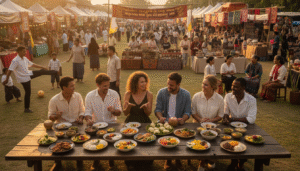
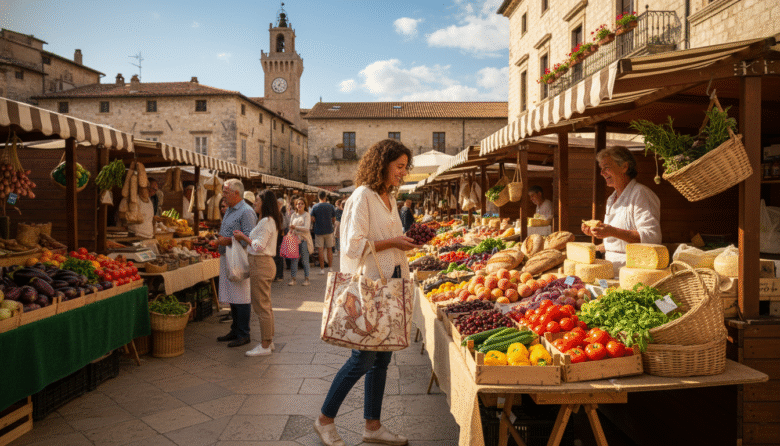
Explore farmers’ markets and street fairs for affordable vendors. These opportunities provide genuine cultural insight into local foods. You’ll sample regional specialties at reasonable prices.
Creative Meal Planning and Cooking on the Go
Having the ability to prepare your own meals while abroad offers flexibility and financial benefits. This approach lets you maintain familiar eating habits and control your schedule.
Utilizing Hotels with Kitchenettes
Hotels with kitchen facilities become essential for longer stays. They allow you to prepare breakfast on your own timetable. This is especially helpful when dealing with time zone changes.
Simple cooking can save $10-15 per person per meal. These savings add up quickly over multiple days. The money saved can then be used for special restaurant experiences.
Packing Snacks and Preparing Quick Meals
Bring protein-based snacks from home for sustained energy. Options like jerky sticks and nuts keep you fuller longer. They help stabilize blood sugar during busy days.
Always carry snacks in your bag during travel days. Flight delays can leave you hungry with only expensive airport options available. Having your own supply prevents costly impulse purchases.
| Meal Approach | Cost Per Day | Flexibility Level | Time Commitment |
|---|---|---|---|
| Full Restaurant Dining | $50-100 | Low | Minimal |
| Kitchenette Cooking | $20-40 | High | Moderate |
| Snacks & Quick Meals | $15-30 | Medium | Low |
Stock basic staples from a local grocery store upon arrival. Items like bread, eggs, and fruit create a temporary pantry. This supports quick meal preparation throughout your trip.
Cooking some meals gives you control over ingredients. This is valuable for dietary restrictions or preferences. The approach balances convenience with cost savings.
Maximizing Deals and Discounts in Restaurants and Stores
Smart diners know that finding deals abroad requires different approaches than at home. Restaurant loyalty programs and grocery store alternatives offer significant savings. These methods help you enjoy quality meals while controlling expenses.
Taking Advantage of Loyalty, Rewards, and Coupons
Save reward points from chains like Starbucks specifically for your vacation. Prices often increase at airport and tourist locations. Redeeming free items during your trip provides maximum value.
Sign up for loyalty programs even at places you may not revisit. Many offer instant bonuses like free desserts or discounts. One family received complimentary cookies just for enrolling while waiting in line.
Research digital coupons before departure. Check restaurant apps and websites for current promotions. Always confirm that establishments honor these deals to avoid disappointment.
Shopping Strategically at Local Grocery and Convenience Stores
Grocery stores offer excellent alternatives to fast food for quick lunches. Their deli counters and hot bars provide fresh options at lower prices. These meals often keep you energized better than heavy fast food.
Purchase drinks at supermarkets instead of ordering at restaurants. Beverages carry substantial markups on menus. Carry your preferred juices or soda in a refillable water bottle.
Visit grocery stores during your first day to stock up on essentials. This single trip prevents multiple expensive convenience store visits. Make sure your hotel room has a mini-fridge for proper storage.
Street vendors and supermarket prepared foods offer authentic local experiences. They typically cost less than tourist restaurant meals. This approach lets you sample regional specialties affordably.
Conclusion
Finding the right balance is the key to a fulfilling vacation. Your journey should be about creating memories, not constantly worrying about money.
Food is a powerful way to connect with a new culture. Decide which meals are truly important to your experience. Then, you can feel good about spending more on those special places.
For other times, simple choices work perfectly. A quick lunch from a market or packing your own snacks can save money. This approach lets you enjoy guilt-free splurges where it counts.
Ultimately, your travel choices should reflect what you value most. Spend your funds on the things that will make your trip unforgettable. This intentional planning ensures you return home with wonderful stories, not financial regrets.