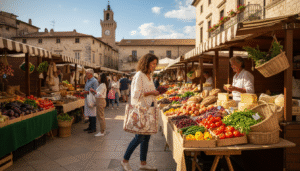
Moving to a new country brings excitement and adventure. Many people who relocate overseas find themselves drawn to familiar faces and shared experiences. This often means connecting primarily with other foreigners who speak the same language.
While these connections provide comfort, they can create an invisible barrier. Living within this comfortable circle prevents deeper engagement with the host culture. The real cost isn’t just financial—it’s the missed opportunities for authentic relationships.
This guide explores how to create meaningful connections that go beyond surface-level interactions. It addresses the emotional challenges that arise after the initial excitement fades. You’ll discover strategies for forming genuine bonds with people in your host nation.
The approach focuses on psychological adaptation and cultural understanding. Rather than just joining activities or learning phrases, it’s about changing how you engage. This transforms your overseas experience from being a visitor to becoming part of the fabric of daily life.
Key Takeaways
- The “expat premium” refers to social isolation costs beyond financial expenses
- Many people abroad feel disconnected after the initial honeymoon period ends
- Relying only on other foreigners limits cultural immersion and authentic friendships
- Successful integration requires intentional psychological and cultural adaptation
- This guide provides research-backed strategies for meaningful local connections
- Moving beyond comfort zones leads to richer experiences in your host country
Understanding the Expat Bubble: Challenges and Pitfalls
Many who move overseas discover a hidden social trap that limits their experience. This environment forms when individuals primarily connect with others from similar backgrounds.
Defining the Expat Bubble and Its Impact
The so-called expat bubble is a self-contained social ecosystem. It emerges naturally because finding people who share your language and references feels easier.
Around the third or fourth month, the initial excitement often fades. Daily challenges become overwhelming during this frustration stage of culture shock.
This period is a normal part of the acculturation U-curve. Feelings of anger or sadness don’t indicate failure but rather psychological adaptation.
Recognizing the Shortcomings of Expats-Only Social Circles
While these circles offer necessary support, they create significant limitations. Staying within this comfort zone reduces opportunities for language practice and cultural understanding.
Research shows 43% of people abroad cite language barriers as their biggest social hurdle. Remaining in the bubble compounds this challenge by minimizing interaction with locals.
This pattern can create a parallel life where you reside in a country without becoming part of it. Recognizing these dynamics across different nations is the first step toward meaningful change.
Embracing Local Cultures and Language Immersion
The most profound connections in a foreign country form when you embrace the local tongue as it’s actually spoken by residents. Moving beyond classroom instruction reveals the living language that builds genuine relationships.
Learning the Living Language Beyond Textbook Lessons
Textbook language often fails in real social settings. People use slang, idioms, and cultural references that create bonds between friends.
One traveler met a Spanish girl who spent a year in Miami without learning English. This shows how easy it is to live abroad without speaking the local language.
Practical strategies make a huge difference. Try cultural eavesdropping in cafes or watching local TV with subtitles. Find a “language parent” who explains cultural context.
Integrating Through Host Family and Community Experiences
Living with a host family provides constant language practice. Meals become learning opportunities where you can chat with family members.
Monolingual kids and elderly relatives create perfect immersion conditions. This home environment offers authentic cultural experiences daily.
Private lessons complement this natural learning. A few sessions weekly provide grammar structure while family interactions offer real-world practice.
| Learning Method | Strengths | Best For | Time Commitment |
|---|---|---|---|
| Host Family Living | Constant immersion, cultural context | Rapid conversational skills | Full-time daily exposure |
| Private Lessons | Structured grammar, personalized feedback | Technical proficiency | 2-4 hours weekly |
| Community Integration | Real-world practice, relationship building | Social fluency | Regular social engagement |
In Morocco, someone found an Arabic teacher who became a friend. Even brief work trips to Portugal offered valuable learning through local teachers.
Building Community Without Expat Bubbles
The path to authentic integration involves strategic decisions about where and how you spend your time. Many Americans in Spain experienced language plateaus despite months abroad.
They attended language schools with fellow Americans and socialized in English-speaking environments. This pattern prevented meaningful progress in Spanish fluency.
Intentional Strategies for Forming Genuine Local Friendships
Becoming a “regular” at local establishments creates natural opportunities for connection. People often frequent the same coffee shops and public spaces daily.
Consistent presence builds familiarity and trust over time. This approach transforms casual encounters into meaningful relationships.
| Strategy | Primary Benefit | Time Investment | Relationship Depth |
|---|---|---|---|
| Regular Establishment Visits | Natural, repeated contact with locals | Daily consistency | Gradual trust building |
| Consistent Walking Routes | Familiarity with community members | Regular routine | Neighborhood integration |
| Local Event Participation | Shared interests and experiences | Weekly engagement | Common bond formation |
The “Mayor of Marrakech” example demonstrates how small interactions accumulate. Simply stopping to chat during daily walks created an extensive network.
This process requires patience but yields authentic connections. Strategic choices about social circles determine integration success.
Creating Genuine Connections Through Authentic Engagement
The journey toward meaningful integration often hinges on correctly interpreting social invitations and their underlying significance. Different cultures attach varying levels of importance to shared meals and social events.
Overcoming Cultural Barriers to Establish Trust
In Northern European nations like Switzerland and Denmark, a dinner invitation represents a significant step across a vulnerability threshold. This contrasts with more fluid social circles in countries like Mexico or Spain.
The most common errors people make involve misreading the social significance of invitations. Pushing for deep personal conversation too quickly can be perceived as intrusive.
| Cultural Region | Social Invitation Significance | Friendship Pace | Key Considerations |
|---|---|---|---|
| Northern Europe | High trust indicator | Slow, deliberate | Respect boundaries, avoid oversharing |
| Southern Europe/Latin America | Casual social event | Faster, more open | More personal conversation acceptable |
| Asian Cultures | Often group-oriented | Group acceptance first | Focus on group harmony |
Success in initial social events means demonstrating you understand and respect cultural boundaries. The goal is simply to get invited back, not to form instant deep friendships.
Research reveals an integration paradox where well-integrated individuals may experience more cultural friction. This occurs because greater cultural fluency allows recognition of subtle prejudices.
Having a dual support system provides essential balance during this process. Local friends offer authentic cultural connection while fellow internationals understand the unique challenges of life in a new country.
Leveraging Hobbies and Work for Integration
Finding the right hobbies and work opportunities creates natural pathways to connect with residents in your host country. These activities provide structured environments where relationships develop organically through shared experiences.
Strategic choices about how you spend your time can dramatically accelerate the integration process. This approach moves beyond casual socializing to create meaningful daily engagement.
Choosing Activities That Foster Local Interaction
Sports leagues offer excellent opportunities for low-pressure familiarity. Team sports create camaraderie through shared goals and non-verbal communication.
In the Netherlands, rock climbing served as a passion and friendship builder for one individual. The post-game coffee or drinks create perfect environments for repeated positive interactions.
Arts and skill-based classes like pottery or book clubs require more language ability but offer deeper connection opportunities. These settings allow for sharing opinions and personal stories.
The best strategy often involves starting with sports to build casual acquaintances, then transitioning to hobby groups for deeper friendships.
Exploring Volunteer and Job Opportunities to Deepen Engagement
Working alongside locals provides immersive cultural exposure. Even volunteer positions at preschools or restaurants create daily contact.
One friend in Amsterdam worked at a cafe while pursuing acting, gaining valuable language practice. Another individual learned colorful French expressions while working on a farm in France.
Seeking employment creates chances for interaction and memorable experiences. This approach positions you for meaningful daily interactions over several months.
Any work putting you in regular contact with residents accelerates your integration into the local way of life.
Conclusion
The transformation from temporary visitor to integrated resident represents one of life’s most rewarding challenges. This article has shown that escaping the expat bubble requires deliberate psychological adaptation and cultural awareness.
Achieving this balance means creating social circles that include both international friends and local connections. The integration process unfolds over time, typically involving predictable emotional stages.
Mastering the living language remains central to forming genuine bonds. True integration expands your identity rather than replacing your home culture.
Practical strategies like regular local engagement and shared activities accelerate connection. While challenging, pushing beyond comfort zones leads to richer experiences in your host country.
The rewards extend beyond fluency to include deeper understanding of the world and meaningful relationships. Each day offers new opportunities to transform your overseas experience through authentic engagement.